
Overview
Zero to One explores how truly innovative companies are built. Peter Thiel argues that the most valuable businesses do not compete in existing markets — they create entirely new ones. Moving from “0 to 1” means creating something fundamentally new, rather than improving what already exists (which he calls going from “1 to n”).
Thiel emphasizes the importance of building monopoly-like businesses — companies so unique that they dominate their niche. Instead of competing on price or incremental improvements, entrepreneurs should focus on differentiation, proprietary advantage, and long-term defensibility.
This book is ideal for startup founders, ambitious entrepreneurs, and anyone interested in building category-defining businesses. It is especially relevant for digital product creators who want to avoid saturated markets.
The primary problem it solves is commoditization. Many entrepreneurs struggle because they enter crowded markets with no clear differentiation.
For online entrepreneurs, the message is powerful: build something unique enough that competition becomes irrelevant.
Key Lessons and Core Concepts
1. Go From Zero to One
Create something entirely new instead of copying competitors.
Why it matters:
True value comes from innovation.
Example:
Create a specialized compliance toolkit for digital entrepreneurs instead of generic business templates.
2. Competition Is for Losers
In competitive markets, profits shrink.
Why it matters:
Monopolies earn stronger margins and stability.
Example:
Build a niche authority site instead of competing with massive general business blogs.
3. Build a Monopoly
A monopoly is not unethical — it simply means being uniquely valuable.
Why it matters:
Unique positioning protects your business.
Example:
Develop proprietary frameworks that competitors cannot easily replicate.
4. Start Small and Dominate a Niche
Begin with a narrow, underserved market.
Why it matters:
Dominating a small niche is easier than fighting for a broad one.
Example:
Target first-time digital product creators instead of all entrepreneurs.
5. Proprietary Technology or Advantage
Successful companies have unique advantages.
Why it matters:
Differentiation creates defensibility.
Example:
Develop exclusive templates or structured systems unavailable elsewhere.
6. Long-Term Thinking Wins
Build with the future in mind.
Why it matters:
Short-term tactics rarely create enduring businesses.
Example:
Create evergreen assets instead of chasing trends.
7. The Importance of Founders
Founders shape company culture and vision.
Why it matters:
Strong leadership creates alignment and innovation.
Example:
Clearly define your mission and maintain consistency across offerings.
How to Apply This Book to Your Business
Identify a narrow niche to dominate.
Avoid crowded markets unless you can differentiate strongly.
Develop proprietary frameworks.
Build long-term defensibility.
Focus on innovation over imitation.
Create systems that competitors cannot easily copy.
Plan for 5–10 year positioning.
For online entrepreneurs:
• Specialize deeply.
• Avoid generic positioning.
• Build authority in a defined category.
Best Quotes from Peter Thiel
“Competition is for losers.”
Meaning: Competing head-to-head limits profitability.
“Every moment in business happens only once.”
Meaning: Innovation is unique.
“Brilliant thinking is rare, but courage is in even shorter supply.”
Meaning: Execution requires boldness.
“If you copy these guys, you aren’t learning from them.”
Meaning: Innovation beats imitation.
“The most contrarian thing of all is not to oppose the crowd but to think for yourself.”
Meaning: Independent thinking drives progress.
Key Terms and Concepts
Zero to One – Creating something entirely new.
Monopoly – Dominating a niche through uniqueness.
Defensibility – Protecting a business from competitors.
Contrarian Thinking – Challenging conventional wisdom.
Network Effects – Increased value as usage grows.
Who Should Read This Book
Best For:
• Startup founders
• Innovators
• Ambitious entrepreneurs
Less Useful For:
• Those seeking step-by-step tactical guides
Skill Level: Intermediate to Advanced
Final Verdict
Zero to One is a strategic thinking book about innovation and long-term positioning. Its greatest strength lies in challenging entrepreneurs to build unique, defensible businesses.
Most powerful idea: Build something so differentiated that competition becomes irrelevant.
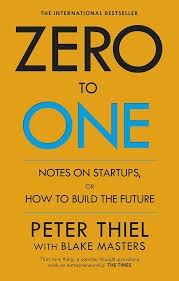
Zero to One by Peter Thiel Book Summary
Starting a business of your own?
Smart Start-Up provides practical tools, checklists, and guides designed to help new entrepreneurs launch their business correctly from day one. Explore the full library of startup tools here.