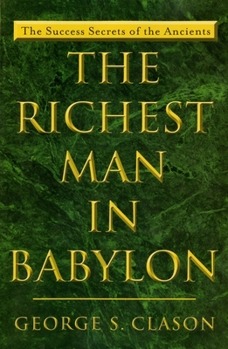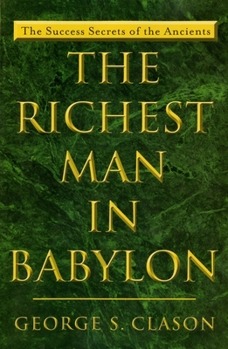
The Richest Man in Babylon by George S. Clason – Book Summary
Overview
The Richest Man in Babylon is a classic personal finance book that teaches wealth-building principles through simple, memorable parables set in ancient Babylon. George S. Clason presents timeless financial wisdom in story form, making complex financial ideas easy to understand and apply.
The core message of the book is straightforward: build wealth by practicing disciplined saving, wise investing, and controlled spending. Unlike modern investment-focused books, this one emphasizes foundational habits that create long-term financial stability.
This book is ideal for beginners learning about money management, entrepreneurs building early-stage businesses, and anyone seeking a practical starting point for financial independence.
The primary problem the book solves is poor financial discipline. Many people earn income but fail to retain or grow it due to overspending and lack of structure.
For online entrepreneurs, the book reinforces a critical principle: sustainable wealth begins with consistent financial habits.
Key Lessons and Core Concepts
1. Pay Yourself First
Save at least 10% of everything you earn.
Why it matters:
Wealth accumulation starts with disciplined saving.
Example:
Set aside 10% of business revenue before paying expenses.
2. Control Thy Expenditures
Differentiate between necessary expenses and lifestyle inflation.
Why it matters:
Increased income should not automatically increase spending.
Example:
Reinvest profits instead of upgrading unnecessary tools.
3. Make Your Gold Multiply
Invest savings to generate additional income.
Why it matters:
Money must work for you, not sit idle.
Example:
Reinvest business profits into scalable digital products.
4. Guard Your Treasure from Loss
Avoid risky investments and seek knowledgeable advice.
Why it matters:
Preservation of capital is essential for growth.
Example:
Validate business investments before committing large funds.
5. Make of Thy Dwelling a Profitable Investment
Own assets that generate value.
Why it matters:
Ownership builds stability.
Example:
Invest in intellectual property such as digital courses.
6. Ensure a Future Income
Plan for long-term financial security.
Why it matters:
Entrepreneurs must plan beyond short-term revenue spikes.
Example:
Create recurring revenue streams.
7. Increase Your Ability to Earn
Continuously improve skills.
Why it matters:
Income growth is linked to capability growth.
Example:
Invest in learning marketing or automation skills.
How to Apply This Book to Your Business
Save a fixed percentage of revenue.
Separate personal and business finances.
Reinvest strategically in scalable assets.
Avoid debt unless it increases earning capacity.
Build recurring income streams.
Maintain an emergency reserve.
Track financial performance monthly.
Best Quotes from George S. Clason
“A part of all you earn is yours to keep.”
Meaning: Saving must be intentional.
“Gold cometh gladly and in increasing quantity to any man who will put by not less than one-tenth of his earnings.”
Meaning: Consistency builds wealth.
“Opportunity is a haughty goddess who wastes no time with those who are unprepared.”
Meaning: Preparation enables growth.
“Better a little caution than a great regret.”
Meaning: Avoid reckless risk.
Key Terms and Concepts Explained
Pay Yourself First – Saving before spending.
Capital Preservation – Protecting invested money.
Compound Growth – Reinvested returns generating more returns.
Financial Discipline – Structured spending and saving.
Recurring Income – Income generated repeatedly over time.
Who Should Read This Book
Best For:
• Beginner entrepreneurs
• Young professionals
• Anyone learning financial discipline
Less Useful For:
• Advanced investors seeking complex strategies
Skill Level: Beginner
Final Verdict
The Richest Man in Babylon is a foundational wealth-building book built on timeless principles. Its greatest strength is simplicity and discipline.
Most powerful idea: Wealth begins with saving consistently before spending.