
Company of One by Paul Jarvis Book Summary
Starting a business of your own?
Smart Start-Up provides practical tools, checklists, and guides designed to help new entrepreneurs launch their business correctly from day one. Explore the full library of startup resources here.
Overview
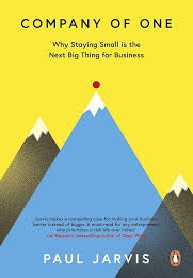
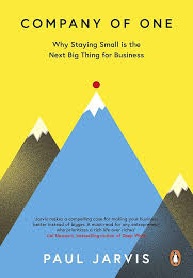
Company of One challenges the traditional belief that business success requires constant growth and expansion. Paul Jarvis argues that many entrepreneurs can achieve greater freedom, profitability, and satisfaction by intentionally keeping their businesses small and manageable. This book is especially valuable for entrepreneurs who want to build a profitable business without sacrificing freedom or lifestyle.
Instead of chasing growth for its own sake, the book encourages founders to build businesses that support their desired lifestyle. This approach prioritizes sustainability, profitability, and autonomy rather than scale.
The book is particularly valuable for freelancers, consultants, digital product creators, and solo entrepreneurs who prefer independence over managing large teams.
The primary problem the book solves is growth pressure. Many entrepreneurs feel compelled to scale rapidly, even when it doesn’t align with their personal goals.
Key Lessons and Core Concepts
1. Bigger Isn’t Always Better
Growth can create unnecessary complexity.
Example:
A profitable solo business may be more sustainable than a large company with heavy overhead.
2. Profit Matters More Than Revenue
Revenue growth without profitability creates risk.
Example:
Focus on efficient pricing and cost control.
3. Autonomy Is Valuable
Small businesses allow founders greater independence.
Example:
Solo entrepreneurs can choose projects aligned with their values.
4. Sustainable Work Is Key
Avoid burnout by designing a manageable business model.
Example:
Build products and services that generate steady income.
5. Customer Relationships Matter
Strong client relationships can sustain a small business long term.
Example:
Provide excellent service and build loyalty.
Many beginners get stuck here—this guide breaks it down clearly:
How to Price Digital Products
If you haven’t validated your idea yet, start here:
How to Validate a Digital Product Idea
With over 25 years of experience in the legal field, I focus on helping you set your business up correctly from the start—so you don’t have to fix mistakes later.
How to Apply This Book to Your Business
Define your ideal business size.
Prioritize profitability over rapid growth.
Build systems that support independence.
Maintain strong customer relationships.
Avoid unnecessary expansion.
Best Quotes from Paul Jarvis
“A company of one doesn’t compete on growth—it competes on value.”
Meaning: Quality beats scale.
“Growth isn’t always the goal.”
Meaning: Sustainability matters more.
“Profit allows a business to survive.”
Meaning: Revenue without profit is fragile.
Key Terms and Concepts Explained
Company of One
A business intentionally designed to remain small and independent.
Sustainable Growth
Expansion that does not compromise stability or lifestyle.
Autonomy
The freedom to control your work and decisions.
Final Verdict
Company of One presents a thoughtful alternative to traditional growth-focused business strategies.
Most powerful idea: a smaller, well-designed business can deliver greater freedom and long-term success.
Related Business Book Summaries:
If you want a simple, step-by-step checklist so you don’t miss anything when starting your business, download it here.