
Overview
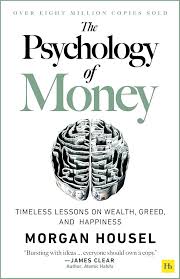
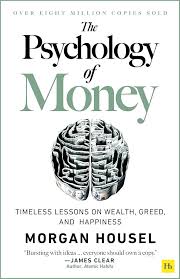
The Psychology of Money explores how human behavior, emotion, and personal experience shape financial decisions more than intelligence or technical knowledge. Rather than focusing on complex investing strategies, Morgan Housel examines the psychological forces behind money — fear, greed, ego, patience, and long-term thinking.
The core premise of the book is that financial success is not primarily about what you know. It is about how you behave. Two people with identical financial knowledge can achieve dramatically different outcomes based on their emotional discipline and decision-making patterns.
This book is ideal for entrepreneurs, small business owners, and individuals building wealth over time. It is especially useful for beginners because it simplifies financial concepts and focuses on practical mindset shifts rather than complicated formulas.
The primary problem the book solves is poor financial behavior. Many people make irrational decisions — chasing trends, overspending to impress others, or taking unnecessary risks — because they misunderstand how money actually works over time.
For business owners, this book reframes how to think about risk, savings, investing, patience, and long-term growth. It teaches that wealth is built quietly and maintained through discipline rather than flashy success.
Key Lessons and Core Concepts
Lesson 1: Wealth Is What You Don’t See
Explanation:
Wealth is not visible luxury — it is the money saved and invested quietly over time.
Why It Matters:
Many people confuse expensive possessions with financial success.
Example:
An entrepreneur driving a modest car but reinvesting profits into assets is likely wealthier long-term than someone living extravagantly on credit.
Lesson 2: Behavior Is More Important Than Knowledge
Explanation:
Financial success depends on discipline, not IQ.
Why It Matters:
Smart people still fail financially when emotions control decisions.
Example:
Selling investments during a market dip out of fear often destroys long-term gains.
Lesson 3: Compounding Is Powerful
Explanation:
Money grows exponentially over time when returns are reinvested.
Why It Matters:
Time in the market often beats timing the market.
Example:
Consistently reinvesting business profits creates exponential growth over the years.
Lesson 4: Save Money for Flexibility, Not Just Retirement
Explanation:
Savings buy freedom, options, and control.
Why It Matters:
Financial flexibility reduces stress and allows better decision-making.
Example:
Having six months of business expenses saved allows you to take strategic risks.
Lesson 5: Reasonable > Rational
Explanation:
Financial decisions should align with your personal goals and comfort level, not theoretical perfection.
Why It Matters:
If an investment strategy keeps you awake at night, you won’t stick with it.
Example:
Choose a growth strategy that allows you to sleep well, even if it’s not the absolute maximum return strategy.
Lesson 6: Avoid Lifestyle Inflation
Explanation:
As income increases, many people increase spending instead of savings.
Why It Matters:
Wealth grows when spending remains controlled.
Example:
A business owner who doubles revenue but maintains modest personal expenses accelerates wealth-building.
Lesson 7: Luck and Risk Play a Role
Explanation:
Not all success is skill. Not all failure is stupidity.
Why It Matters:
Humility protects you from reckless decision-making.
Example:
A successful product launch may involve both skill and favorable timing.
How to Apply This Book to Your Business
Focus on long-term financial planning.
Build a business emergency fund.
Reinvest profits consistently.
Avoid unnecessary lifestyle upgrades.
Measure wealth by assets, not appearances.
Develop emotional discipline during downturns.
Create systems that allow steady growth.
Think in decades, not months.
For online entrepreneurs:
• Build recurring revenue models.
• Avoid chasing every trend.
• Prioritize sustainable growth.
• Focus on compounding skills and assets.
Before setting up your business, you need to understand what you're selling: See related guide: How to Choose a Digital Product That Actually Sells
Many beginners get stuck here—this guide breaks it down clearly:
See related blog post: How to Price Digital Products
Best Quotes from Morgan Housel
“Wealth is what you don’t see.”
Meaning: True wealth is saved and invested, not displayed.
“Doing well with money has little to do with how smart you are and a lot to do with how you behave.”
Meaning: Emotional discipline matters more than intelligence.
“The highest form of wealth is the ability to wake up every morning and say, ‘I can do whatever I want today.’”
Meaning: Financial independence equals freedom.
“Compounding works best when you can give a plan years or decades to grow.”
Meaning: Patience is essential.
“Savings without a spending goal gives you options and flexibility.”
Meaning: Flexibility reduces financial stress.
“You’re not a spreadsheet.”
Meaning: Financial decisions are emotional, not purely mathematical.
Key Terms and Concepts Explained
Compounding
The process of earning returns on both your initial investment and previous gains.
Lifestyle Inflation
Increasing spending as income rises.
Financial Flexibility
Having savings that allow freedom in decision-making.
Risk Tolerance
Your comfort level with uncertainty in investments or business.
Long-Term Thinking
Planning with a multi-year or multi-decade perspective.
Behavioral Finance
The study of how psychology affects financial decisions.
With over 25 years of experience in the legal field, I focus on helping you set your business up correctly from the start—so you don’t have to fix mistakes later.
Who Should Read This Book
Best For:
• Entrepreneurs
• Investors
• Small business owners
• Beginners learning about money
Less Useful For:
• Readers seeking technical stock analysis
• Those wanting fast-money strategies
Skill Level: Beginner to Intermediate
Final Verdict
The Psychology of Money is one of the most practical and timeless financial books available. Its strength lies in simplicity and human insight rather than technical instruction.
The most powerful idea in the book is that financial success depends more on behavior and patience than on brilliance.
For entrepreneurs, this book reinforces the importance of long-term thinking, disciplined reinvestment, and emotional stability during growth and downturns.
If you're trying to start an online business or sell digital products but feel overwhelmed or unsure where to begin, I put together a step-by-step system that walks you through exactly what to do. It comes with a workbook that has a lot of space to explore ideas and come up with your perfect business plan.
If you want a simple, step-by-step checklist so you don’t miss anything when starting your digital product business, download it here.
You may also enjoy these related business book summaries:
Rich Dad Poor Dad: Read the Book Summary
Loopholes of the Rich: Read Book Summary
Profit First, Read the Book Summary
Think and Grow Rich: Read the Book Summary
The Richest Man in Babylon: Read the Book Summary